
Termite Damage vs. Wood Rot: Assessing Both on the Jobsite
Published on August 27, 2026 by Staff Writer

Termite Damage vs. Wood Rot: Assessing Both on the Jobsite
To the untrained eye, both of these issues can appear quite similar. Each can leave profound destruction in its wake that can result in serious financial and even legal consequences. Damage from a termite infestation can look a lot like rotted wood, so it’s easy to miss.
However, there are some key differences and significant repercussions that can come with a failure to correctly identify a termite infestation vs. dry-rotted lumber.
Is it Termites or Rot?
That can be a tough call if you aren’t trained to detect the differences. The damage is similar, but you can spot the distinct markers for each if you know what to look for.
Identify and Inspect the Wood Parts of the Structure
Despite exteriors of brick, concrete, or siding, the “bones” of many structures are made of construction-grade lumber and other fibrous materials. These can include:
- Subfloors
- Studs
- Joists
- Shutters
- Baseboards
- Ceiling beams
- Decks
- Porches
- Steps
- Door frames
- Window frames
- Decorative trim
- Interior molding
Any of these areas, inside or outside, is fair game for damage, be it from rot or termites.
Termite Damage
Your first signs of a termite infestation may be signs of the termites themselves. While sagging floors, unstable walls, and crumbling ceilings point to a problem, closer inspection may reveal active, live termites, discarded wings, or hollow mud tubes.
Termite damage often has an almost orderly appearance with a maze-like pattern of vertical and horizontal lines of missing wood.
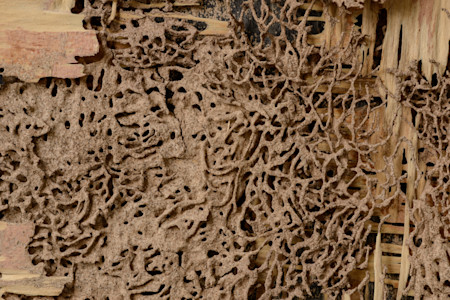
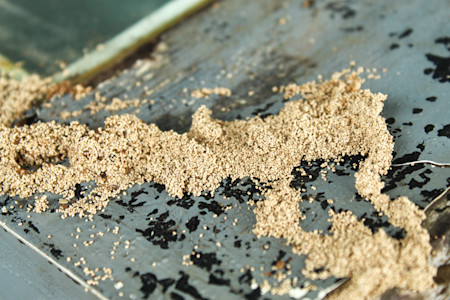
These sections may have tunnels burrowed through them where the termites move from one area to another or to the nest. A buildup of frass, or tiny pellet droppings, right outside the tunnel holes, is another common sign.
It is also worth noting that there are other species of insects that bore through timber and can be very destructive. Some ants and even a species of bees specifically target these structures and can cause thousands of dollars in damage.
Wood Rot
Just like termite damage, you may see the causes of the damage before you see the full scope of it. All natural materials are prone to decomposition, but certain environments are more conducive to expediting that decomposition.
Excessive moisture, temperature fluctuations, intense heat, and prolonged sunlight exposure can lead to decay. You might notice a leaky roof or compromised fascia before you see the damage.
There are two main types:
Dry Rot
Also called brown rot, this type of damage is caused by a fungus called mold and only requires about 20% moisture to do its work. In nature, mold breaks down plants, logs, and other old stumps. However, it can do the same to an inhabited property. Intermittently humid or damp environments are ideal habitats for these fungi to grow. It can also penetrate masonry or plaster.
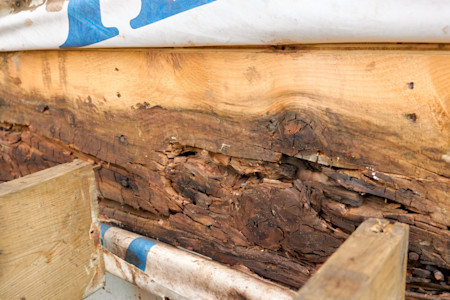
If you test an area that feels soft, crumbles easily, and has a dehydrated appearance, it’s likely rotted. It can also look like it has split into an almost grid pattern of cube-like chunks.
Wet (White) Rot
Needs 50% or more moisture levels and often has a distinctive musty smell. The affected areas often appear white or gray and are soft or spongy. The mold can also cause paint to peel or bubble.
Unlike termite damage, this type is typically located in areas with high amounts of water exposure. This can include:
- Roof seams
- Door frames
- Window frames
- Where studs meet the foundation
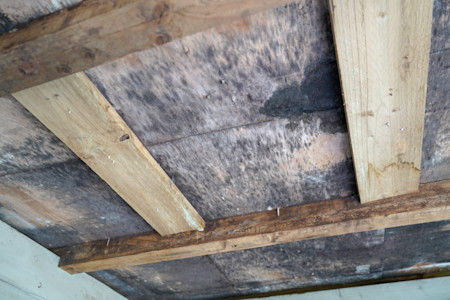
It’s also worth noting that discovering wet rot does not automatically rule out termite presence, since the softened cellulose fibers are easier to eat and often attract them. If you’re inspecting a structure with signs of this damage, you should expand your search to include looking for signs of termites.
Structural Integrity Assessments
Both types of damage can leave structures severely compromised. Addressing the compromised parts of a building requires a two-prong approach:
Verify the type of damage and its cause.
Determine the extent of the damage and begin developing a plan to remediate the problem.
Remediation Protocols
Determining the type of damage is only the first step, albeit a vital one. From there, you can begin addressing the problem and arresting the damage, putting protocols in place to eliminate the infestation or mold and replace affected materials.
Treating Termites
With termite infestations, prevention is key. It is a lot easier to prevent termites than it is to get rid of them. A company that specializes in termite infestations can work with you to create a plan for elimination, ongoing monitoring, and prevention.
Some species of termites, such as the Formosan, build huge nests underground. They can be the size of a football field, so if a neighboring property has termites, it is a good idea to get an inspection sooner rather than later and begin treatment or preventative measures right away.
Repairing Rot
Since water is the primary cause, identifying the source of exposure is key to prevention. The problem is that water travels. There may be a leak in the roof, but the water may travel to an area far from the leak.
The fungus can also spread, which complicates the issue. After known water exposure, such as a flood, it is necessary to dry out the area as quickly as possible. Any mold that appears should be addressed immediately and thoroughly.
FEMA provides free resources for dealing with mold and mildew. The U.S. EPA also published information on mold cleanup. If you choose a DIY mold cleanup route, make sure you take the necessary safety precautions. Otherwise, call in experts to do it for you.
Consequences of Damage
Structural damage from any source can have lasting and often expensive effects. Regardless of the reason, the effects are the same. If you’re working on or inspecting a jobsite with obvious damage, you can communicate that it can cause:
- Negative financial impact for the property owner from structural damage, material replacement, and even loss of property.
- Construction project delays.
- Compromised structural integrity from rotted or damaged studs or joists.
- Safety risks from compromised floors, walls, and ceilings that can collapse or buckle, causing injury.
Prevention is a lot less expensive than recovery and remediation.
Prevention Methods
There are several measures that you can take to prevent weakening in a new or existing structure.
Reduce moisture
Both termites and the mold fungus thrive in moist environments. Taking extra measures to make the structure less appealing includes reducing moisture in the area.
Good ventilation between the wood and the soil can prevent standing water. Concrete foundations also help.
Other ways to reduce moisture include:
- Fill cracks and gaps in the cement foundation.
- Restrict access points, including filling in the areas where the utilities pass through walls.
- Avoid keeping wood-based debris next to the structure.
- Ensure there is proper drainage around the foundation to prevent standing water.
- Avoid having shrubs, trees, and foliage too close to the structure, especially growing against exposed lumber.
- Keep gutters and downspouts properly maintained.
- Repair leaks right away.
- Avoid blocking vents to maintain good airflow in the crawlspace and other moisture-prone areas.
Perform Routine Inspections
Regular inspections conducted by a pest control professional can prevent termite colonies from becoming established. In fact, routine pest control can also address other potential pest issues that can affect the structure as well.
Protect the Structure
Physical barriers, such as steel mesh, should be installed during construction to help keep termites at bay. If an infestation is already present, there are treatments that can be applied to address the situation. Termiticide application is typically restricted and can only be applied by a trained professional in pest management.
Rot can be treated by removing the affected portions and applying special preservatives to the surrounding, healthy areas. Filling cracks with filler or epoxy can also help while preventing moisture exposure.
DIY or Pro? When to Make the Call
Recommending a do-it-yourself approach to get rid of termites or fix rot may seem like a good way to save money, but it might not always work out in the property owner’s favor.
It could wind up costing significantly more than calling in a certified pesticide applicator to handle the problem.
So, at what point should you recommend calling a professional?
- Termites: Consumer-level termiticide is not as potent as the product that professionals use. You may be able to safely eliminate a minor termite problem, but larger infestations or subterranean termites, like Formosans, are unlikely to respond to products from a hardware store. If the damage is in the structural framing, DIY methods are not recommended.
- Wood rot: Repair may be possible if the property owner can confirm that the affected area is small. However, if the rot is widespread or affecting structural framing, then it’s better to call in a pro to handle it. DIY fixes may work for a time, but if any rot is not discovered and left alone, more severe damage will occur in the future.
Both issues can be addressed by property owners if damage is found early. But usually, by the time an infestation or structural damage is noticed, professional assistance is needed.