
A Roofing Glossary: Key Terms and What They Mean
Published on December 16, 2025 by Staff Writer
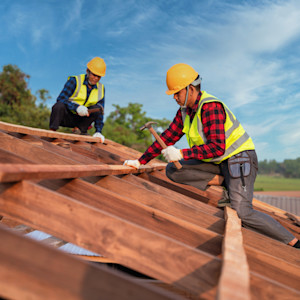
If you’ve ever looked at a roofing project plan or listened to a contractor use words you’ve never heard before, you’re not alone. The vocabulary used on jobsites sometimes seems like a foreign language, even to seasoned workers.
Anyone who has dabbled in construction can attest to the fact that the terminology may seem confusing at times. If the lingo is stressing you out, we have the solution.
This guide explores some of the most common terms that you'll hear before, during and after the construction process. Whether you’re maintaining your own property, hired for a freelance project or gearing up to become a licensed contractor, having a firm grasp on these topics is key to the successful completion of a project.
Roof Structures and Shapes
A home’s roof style is for more than just aesthetics. Wind resistance, ventilation, rainwater management and even the size of the interior living space are all affected by the shape of the structure’s roof. Here are some of the most common roof shapes you will encounter.
Gable Roof
This is the style of roof you likely used when you drew a house as a child. It consists of two sloping planes that meet at the top and form a peak, with a flat triangular face on each end of the building. This design is simple to plan, relatively affordable to build and straightforward to maintain. It also makes attic ventilation easier and fits with many architectural styles, which is why it is so common across the country.
Gambrel Roof
When you picture a classic red barn, you are thinking of a gambrel roof. This style allows for extra room inside, thanks to a much steeper pitch at the bottom that meets a shallow incline above. This slope design maximizes vertical interior space, which is why the style is common on barns and houses that need loft room without expanding the building’s footprint.
Hip Roof
A hip roof consists of a central peak that slopes downward on all four sides. Since this style doesn’t use vertical sides, it is resistant to high winds and is frequently seen on homes built in coastal areas for this reason, though it often requires more framing and involves intricate cutting of surface material.
Mansard Roof
Often associated with historic or European-influenced buildings, a mansard roof features two slopes on each of its four sides, instead of the two faces found on a gambrel. The lower portion is typically much steeper, creating a distinctive style and allowing for additional living space.
Materials and Protective Layers
Roofs are more than just shingles nailed to wood. Here are some of the layers and materials that ensure the structure below remains watertight and protected.
Asphalt Cement
This waterproof adhesive is used to protect flashing, seal small gaps and reinforce leak-prone areas such as vent pipes and skylights.
Asphalt Shingles
By far the most common residential roofing material in North America (used on an estimated 80% of homes), asphalt shingles come in many styles. Two types are the most common:
- Three-tab shingles are made of a single layer of asphalt, making them lightweight, cost-effective and easy to install.
- Architectural shingles (or laminated shingles) are made of multiple layers of asphalt and fiberglass. They are thicker, last longer and have a more textured look. Many are designed to mimic premium materials like slate or wood shakes without the high price or upkeep.
Built-Up Roofing System
Often used on low-slope or flat buildings, a built-up roof is created by alternating layers of asphalt with fabric. The result is a durable, multi-layered surface that handles slow drainage and water pooling better than shingles. These are often employed on flat surfaces, like commercial buildings.
Ice and Water Shield
This self-sealing membrane attaches directly to the deck and protects areas where water tends to pool or back up; common installation spots include valleys, eaves and transitions. Because it seals around nail holes, it’s also highly effective at reducing leaks caused by ice dams or heavy rain.
Impact-Resistant Shingles
Designed for regions that see frequent hail or severe storms, impact-resistant shingles are thoroughly tested for durability and can often qualify homeowners for insurance discounts. As the name suggests, they help reduce damage from falling debris and extend the lifespan of roofs that experiences frequent storms.
Metal Roofing
Metal roofs are typically made from galvanized steel or copper and are valued for their longevity and ability to reflect heat, which can help lower cooling costs in warmer climates. They also resist cracking and warping and shed water easily, making them a more durable alternative to asphalt shingles.
Roof Deck
The deck is the main surface installed over the structural framing and is what further layers, including underlayment and shingles, sit on top of. Most modern decks are made from plywood or oriented strand board (OSB) panels that must meet strength and thickness requirements.
Sheathing
This refers to the plywood or OSB panels installed across the rafters or trusses. Proper spacing is crucial so the panels can expand and contract with temperature and moisture changes.
Underlayment
This layer sits between the deck and the primary roofing material and serves as a second line of defense against water intrusion. Modern synthetics tend to outperform older felt products thanks to improved tear resistance and long-term durability.
Edges, Junctions and Water Management
Proper water management is an essential part of roof construction. Here are some of the relevant terms you should familiarize yourself with.
Base Flashing
Installed around roof penetrations like chimneys and vents, base flashing directs water away from joints and seams. It’s typically paired with counterflashing to ensure a strong seal against water.
Drip Edge
The drip edge is a piece of metal flashing placed along the eaves and rakes designed to guide water away from the fascia boards and reduce the risk of rot or ice damage.
Eaves and Rakes
Eaves are the lower edges of the roof where gutters are attached, while rakes are the angled edges on the sides of a gable roof. Both are used to help direct water off the roof and into the drainage system.
Ice Dams
Ridges of ice form along the eaves when melting snow refreezes before it can drain off the roof. This buildup traps water behind it, allowing it to back up under shingles and causing water infiltration and interior leaks. Proper attic ventilation, gutter systems and installation of underlayment can help prevent ice dams from forming.
Step Flashing
This type of flashing consists of individual pieces of metal that overlap in a stepped pattern and is used where a sloped roof meets a vertical surface, such as a sidewall or a dormer. These guide water away from the wall and out over the shingles, rather than allowing it to slip behind the siding or roofing.
Valley
A valley is the inward angle created where two roof slopes converge. It serves as a channel that gathers water from both sides and guides it down the roof. Due to the significant amount of water valleys handle, they require special attention during installation. Roofers typically apply extra underlayment or ice and water shields in these regions and are meticulous about the arrangement of shingles or metal valley flashing.
Installation Concepts and Project Language
Now that you are familiar with roof structure and materials, it’s time to understand some of the more technical terms describing installation. Below are some popular terms you may encounter once a project has begun.
Course
A course is simply the name for a horizontal row of shingles. Each row must align neatly with the previous one to maintain a watertight and visually consistent layout.
Dry-In
This milestone marks the point at which underlayment and basic flashing are installed well enough to temporarily shield the structure from weather. This stage allows crews to pause work without exposing the building interior to the elements.
Overlay
An overlay means placing new shingles directly over the existing roof. While it saves time and disposal costs, it’s only appropriate when the underlying structure is still in good condition and should only be done once in a roof’s lifetime.
Patching
Patching involves repairing a specific area rather than replacing the entire roof and is a common approach for fixing small areas of damage that don’t warrant a complete replacement.
Square
A square is a measurement equal to 100 square feet. Shingles are often packaged so that three bundles cover one square, making it easier for contractors to estimate the quantity of materials needed for a project.
Tear-Off
This step involves removing all existing roofing materials down to the bare deck. This method exposes any hidden damage and allows for a fresh start.
Put Your Roofing Knowledge to Work
While this guide focuses on just a few of the most common roofing terms, it should provide you with a solid foundation for understanding what exactly is happening above your head. Whether you’re a homeowner trying to make sense of a project or a future pro learning the ropes, having a deeper grasp of these trade terms will help you communicate clearly and avoid costly misunderstandings.
If you’re ready to take your knowledge a step further, explore the Builders License Training Institute’s roofing and contractor prep courses to build real confidence on (and off) the jobsite.